
The story of humanity has always been shaped by innovation. From the discovery of fire to the invention of the printing press, the steam engine, and the internet, each breakthrough has redefined how we live, work, and connect. Today, we stand at the threshold of another defining moment: the advent of artificial intelligence.
AI is not just another tool—it is a partner in progress. It has the power to amplify human capabilities, automate the mundane, and even reshape how we think about creativity, problem-solving, and ethics. But with this promise comes responsibility. Just as fire could warm or burn, AI has the potential for great benefit or significant harm, depending on how we wield it.
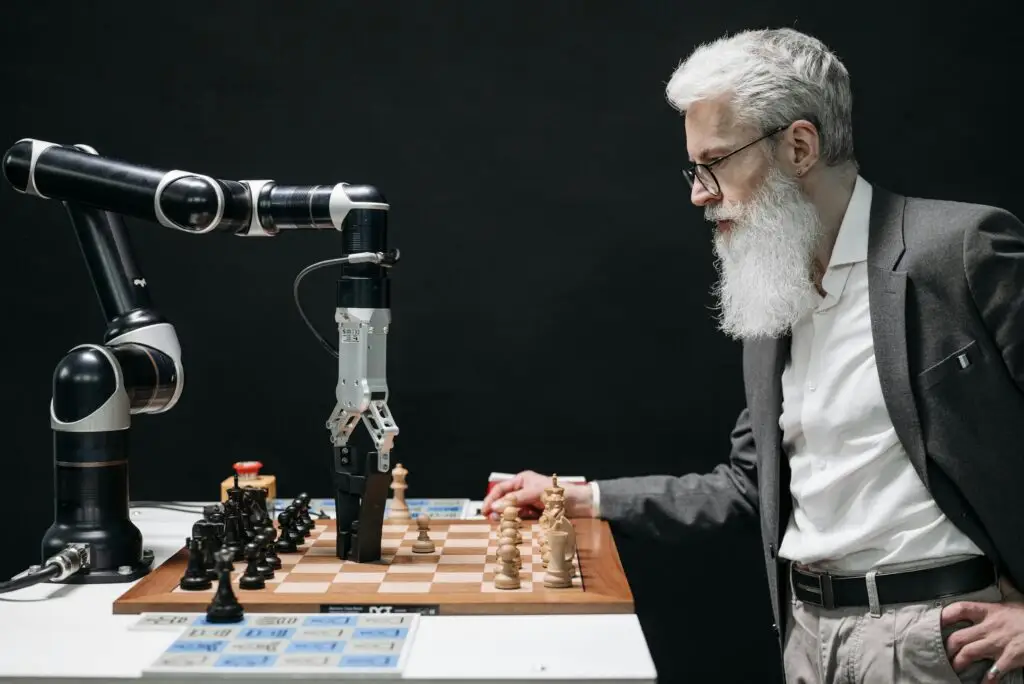
At its best, AI can unlock new opportunities: accelerating medical research, optimizing energy use, improving education, and making services more inclusive and accessible. Yet, it also challenges us to rethink the nature of work, privacy, and even what it means to be human in a world where machines can “think” and “create.”
The advent of AI is not the end of human ingenuity—it is a new canvas. The brush is in our hands, and the picture we paint will depend on our choices, values, and vision for the future. AI is not here to replace us; it is here to remind us of our ability to adapt, to question, and to imagine. The real question is not what AI will become, but what we will choose to become alongside it.